


Rangers and the Spring Boards at Glasgow Green
- Vallance
- Feb 17
- 3 min read


Sometimes a single line in an old newspaper sends you down a path you didn’t expect. In this case, it led straight to the Low Green of Glasgow Green—where football first took hold in the city, where the early Rangers trained, and where generations of Glaswegians plunged into the Clyde from the famous springboards.
The article from the Daily Record in 1938 that sparked this journey painted a vivid picture: footballers and pedestrians jogging around the railed circular enclosure, then cooling off with a “refreshing lunge” into the river. Jenny’s Burn flowed into the Clyde opposite the boards. It was a scene that feels almost impossible to imagine today, yet the traces remain if you know where to look.

For much of the 19th century, bathing in the river wasn’t just common—it was a defining part of life in Glasgow. The Corporation actively encouraged it, erecting bathing boxes and springboards above the bend on Fleshers’ Haugh. These facilities were well used until 1877, when they were removed, marking the beginning of the end for river bathing.
Before that, the Clyde was a social space. New Year’s Day swimming competitions drew crowds. The Humane Society itself was founded partly because so many men and boys swam here. The river was busy, lively, and—by modern standards—shockingly unregulated.
By the mid‑1800s, however, the Clyde was changing. River traffic increased, ferries churned the water, and industrial pollution grew rapidly. The opening of the Dalmarnock Sewage Works upstream only accelerated the decline. What had once been a communal playground was becoming hazardous.
The Springboards of Dominie’s Hole
The springboards themselves were located where Jenny’s Burn met the Clyde at a spot known as Dominie’s Hole. Their history is surprisingly well documented:
• 1816: The first springboards were erected, with the depth of the river inscribed on them for safety. Heavy brown stone slabs were laid to give bathers a clean footing.
• 1834: Additional boards were added, along with wooden steps and stone seating. The riverbank was re‑seeded to improve the area.
• 1837: A silver‑gilt swimming medal was struck—now held in Glasgow Museums— depicting divers leaping from the boards with the Nelson Monument rising behind them.

By the 1850s, Ordnance Survey maps show four springboards projecting into the river, complete with stone steps and benches. These maps are invaluable—they capture a moment in time just before the Clyde’s transformation made such scenes impossible.


Rangers, the Low Green, and the Clyde
The Low Green wasn’t just a bathing spot. It was a cradle of early football in Glasgow. Rangers’ founders trained here, running laps around the shrubbery enclosure before heading to the river to cool off. The proximity of the springboards to the club’s earliest pitch adds a layer of texture to the story of the young men who built the club—boys who lived, played, and swam on this very ground.
The first map shows the location of those early Rangers matches. The second map shows the springboards themselves from 1857. The third map brings us into the present day. The fourth, from 1892—long after the boards were removed—still marks the stone blocks that supported them.
What Remains Today
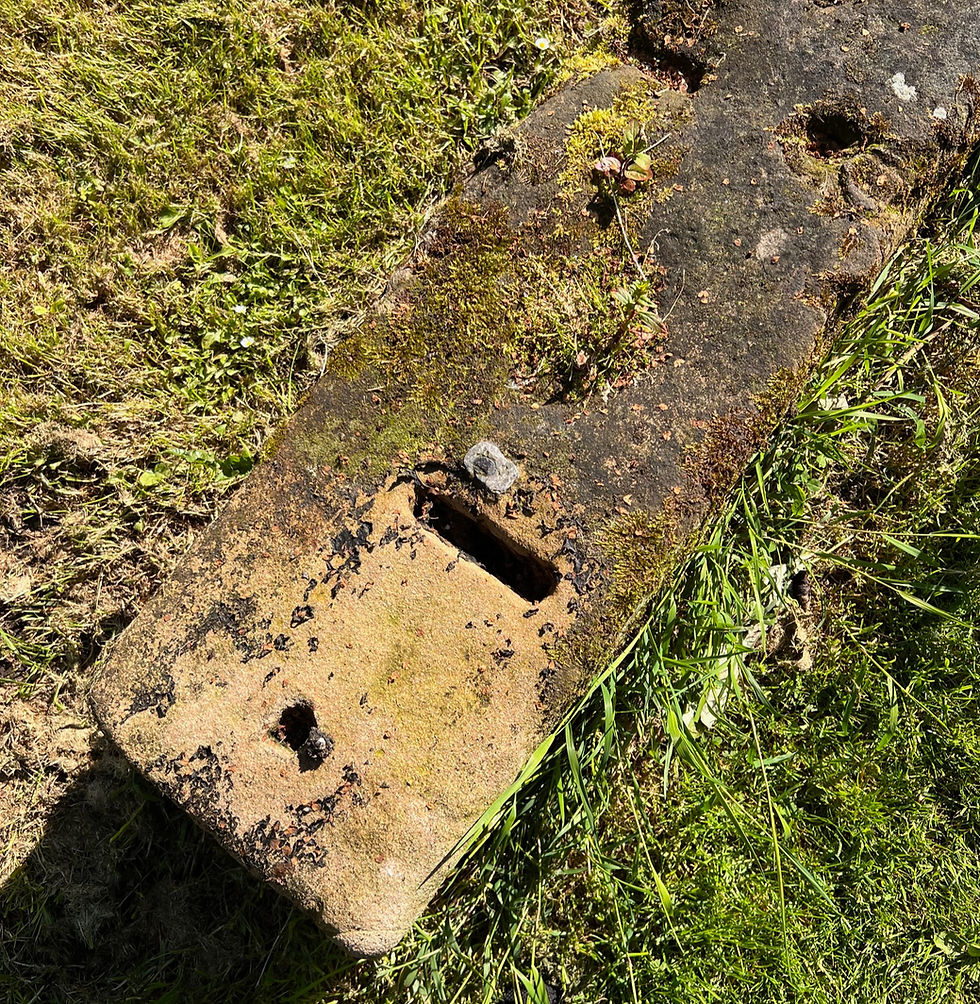
Remarkably, the stones that once anchored the springboards are still in place. They sit unnoticed by most visitors, but they are physical links to a forgotten chapter of Glasgow’s sporting and social history. When placed alongside the maps and the medal, they form a tangible thread connecting the modern city to the world the Rangers founders knew.
Gordon
The Founders Trail



Comments